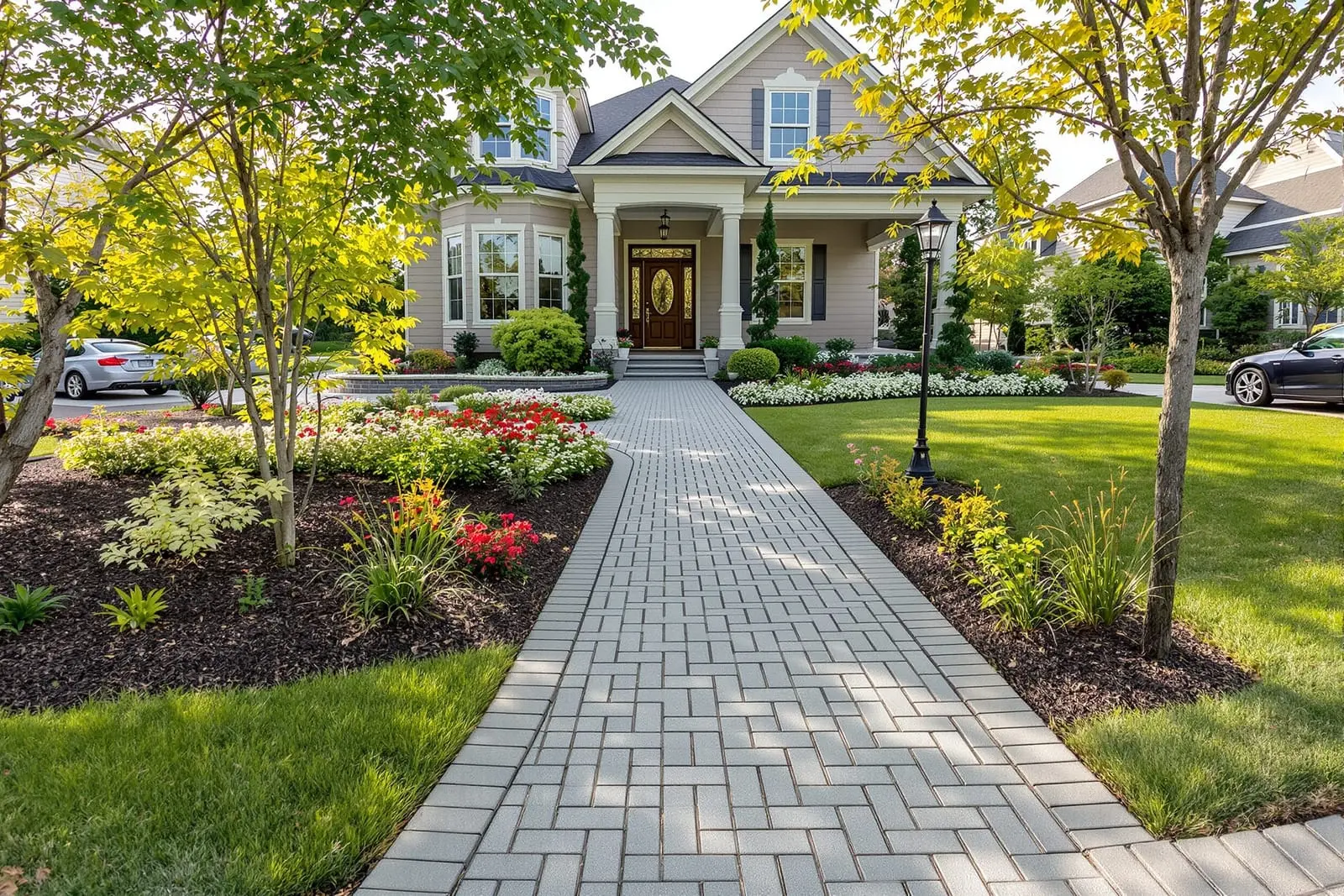
Prestige Asphalt Austin designs and installs asphalt walkway paving in Austin, TX to create safe, attractive paths around your property. We build walkways to connect driveways, patios, sheds, and gardens with smooth, slip resistant surfaces. Our team handles layout, grading, and paving so your pathways shed water correctly and look clean alongside landscaping. Asphalt walkways are a durable and cost effective alternative to concrete or stepping stones.
Prestige Asphalt Austin provides professional walkway paving throughout Austin, TX and the surrounding area. Our licensed, insured crew delivers safe, clean, on-time work with a free estimate before anything begins. Call (737) 265-1348 or request your free quote.
Walkway paving for Austin homes, businesses, and HOAs
Walkways and pathways in Austin have to handle more than just foot traffic. They see blazing summer heat, sudden downpours, tree roots, and shifting clay soils. Prestige Asphalt Austin designs and installs paved walkways that account for these exact conditions so you get a clean, safe surface that holds up for years.
We help homeowners connect driveways to front doors, patios to pools, and garages to backyards with smooth, low‑maintenance paths. For commercial and multifamily properties, we create ADA‑conscious access routes, loop trails around complexes, and clear pedestrian routes that separate people from vehicle areas.
Every walkway paving project starts with how people actually move across your property. We walk the path with you, note drainage patterns and shade lines, and look at how close it is to trees, parking lots, and building entries. That local, on‑site view is what lets us recommend the right width, thickness, slope, and edging for Austin conditions instead of using a one‑size‑fits‑all template.
Materials and design options for Austin walkways
Walkway paving is not just black asphalt in a straight line. Prestige Asphalt Austin offers several ways to tailor the look and performance to your property while staying practical in Central Texas heat.
Most residential and light commercial walkways use hot mix asphalt over a compacted base. We can adjust the asphalt mix to handle higher foot traffic or occasional light carts and service vehicles. For areas that get a lot of sun, we can discuss finer aggregate or sealcoat colors that help reduce surface temperature compared to a standard dark finish.
We also design curved or branching pathways to follow existing landscaping and avoid large tree roots. Widths typically range from 3 feet for simple garden paths to 5 feet or more for shared-use walkways or ADA routes. Edge options include asphalt curbing, concrete borders, or steel edging to keep mulch and soil off the walking surface.
Texture is another design choice. A smooth but not polished finish is best for most Austin walkways since it balances comfort for strollers and wheelchairs with grip in wet weather. Where extra traction is needed, such as near pools or sloped sections, we can specify a mix and compaction plan that leaves a slightly more textured surface without making it rough on shoes or mobility devices.
How Prestige Asphalt Austin installs durable walkways
A long‑lasting walkway in Austin starts with the ground under it. Our crews begin by marking utilities and removing grass, loose soil, and any old failing pavement. We then shape the subgrade to create a subtle crown or cross‑slope so water sheds off the path instead of pooling on it.
Next, we install and compact a base layer, usually crushed limestone or recycled aggregate, to a depth appropriate for the use and soil conditions. In many Austin neighborhoods with expansive clay, we pay extra attention to base thickness and moisture content so the walkway does not heave or settle during wet and dry cycles.
Once the base passes density checks, we place hot mix asphalt from a nearby plant so it is still at the right temperature for proper compaction. The crew spreads and levels the asphalt to the specified thickness, then uses vibratory and finish rollers to compact it. This step is timed carefully in our Texas heat so we do not overwork the mat or trap roller marks.
We hand‑finish edges for a clean line and match elevations at steps, driveways, and thresholds. Where needed, we install saw cuts or asphalt transitions to connect to existing surfaces without creating trip lips. After installation, we advise keeping heavy traffic off the new walkway for a set curing period so it can cool and harden properly.
Costs, budgets, and what affects walkway paving prices
Prestige Asphalt Austin is straightforward about what drives the cost of walkway paving so you can plan a realistic budget. The biggest factors are length and width of the path, total square footage, and how much site preparation is required.
A simple front‑yard walkway on level ground with easy truck access will be less expensive per square foot than a winding path behind a house that requires wheelbarrow or small‑equipment transport. If we need to remove thick tree roots, haul away an old concrete walk, or correct drainage problems, those items add labor and disposal time.
Material choices affect pricing too. Thicker base layers for unstable soils, decorative borders, and additional compaction passes for occasional cart or light‑vehicle use will increase costs but also extend the life of the pavement. In commercial and HOA settings, wider paths and ADA‑compliant slopes add some complexity that we account for in the estimate.
We provide itemized proposals so you see base work, asphalt placement, edging, and optional sealcoating separately. That way, if you need to phase the project or prioritize critical routes first, we can suggest stages that make sense instead of forcing an all‑or‑nothing approach.
Handling drainage, tree roots, and other Austin‑specific issues
Austin walkways fail early when water and roots are ignored. Our team is used to working in hilly neighborhoods, creek‑adjacent lots, and yards with mature live oaks and cedar elms, so we build those challenges into the plan rather than discovering them halfway through.
For drainage, we check where roof downspouts, irrigation, and natural slopes send water. If a planned path crosses a low area, we may raise the base, add gentle swales on either side, or install small surface drains to move water off the pavement. Keeping water from sitting on or under the walkway is the key to avoiding cracks and soft spots.
Tree roots are another common issue. Instead of simply cutting every root, which can harm trees, we try to adjust alignment slightly, narrow or widen specific sections, or use root barriers where practical. When unavoidable, we remove only the roots needed to establish a stable base and discuss options with you, especially for landmark trees.
We also consider seasonal movement of local soils. In areas with visible shrink‑swell cracks in the yard, we may recommend a thicker or differently compacted base. This focus on local site conditions is one reason many Austin property managers use Prestige Asphalt Austin for repeat projects across multiple buildings.
Maintenance, repairs, and extending walkway life
A properly built asphalt walkway needs far less attention than concrete pavers or loose gravel, but some basic care will keep it looking good and safe much longer. After installation, we often recommend a sealcoat within the first 1 to 2 years for walkways that see strong sun and regular use. This helps resist surface oxidation and light staining.
Routine maintenance is simple: keep leaves, dirt, and mulch off the surface so moisture does not linger, trim back invasive roots or plants that push at the edges, and avoid parking vehicles or storing heavy equipment on pedestrian‑only paths. In high‑traffic commercial environments, we suggest periodic walk‑throughs to check for any edge raveling or hairline cracks.
If damage occurs, such as a lifted spot from roots or a low area that holds water after a storm, we can usually mill and patch specific sections instead of replacing an entire run. Our crews match existing grades and textures as closely as possible so repairs blend in and do not create trip hazards.
Prestige Asphalt Austin keeps records of mix types and base details for your project, which makes future maintenance more precise. When you call us years later for an addition or repair, we do not have to guess how the walkway was built.
Why local experience matters for walkway paving in Austin
Walkway paving might sound straightforward, but local experience is what separates a path that looks good for one season from one that lasts a decade or more. Prestige Asphalt Austin crews live and work here, so we have seen how different Austin neighborhoods behave after a few wet summers, droughts, and freeze events.
We know which areas tend to have softer soils, where tree roots are a constant issue, and how city codes and HOA rules affect walkway alignments and widths. That familiarity lets us anticipate permit needs, coordinate with other contractors on your property, and keep your project moving instead of stalling over small local details.
When you contact us, we schedule an on‑site visit, discuss how the walkway will be used, and walk you through material, layout, and budget options. The goal is to create a clear, safe route that fits your property and stands up to Austin weather instead of forcing a generic design onto a unique site. From first layout paint marks to final roller pass, our focus is on a clean job, respectful crews, and a walkway you can rely on every day.
“
Professional walkway and pathway paving, done right the first time, quality materials, honest pricing, and results that last.
Prestige Asphalt Austin
Walkway and Pathway Paving Across Our Service Area