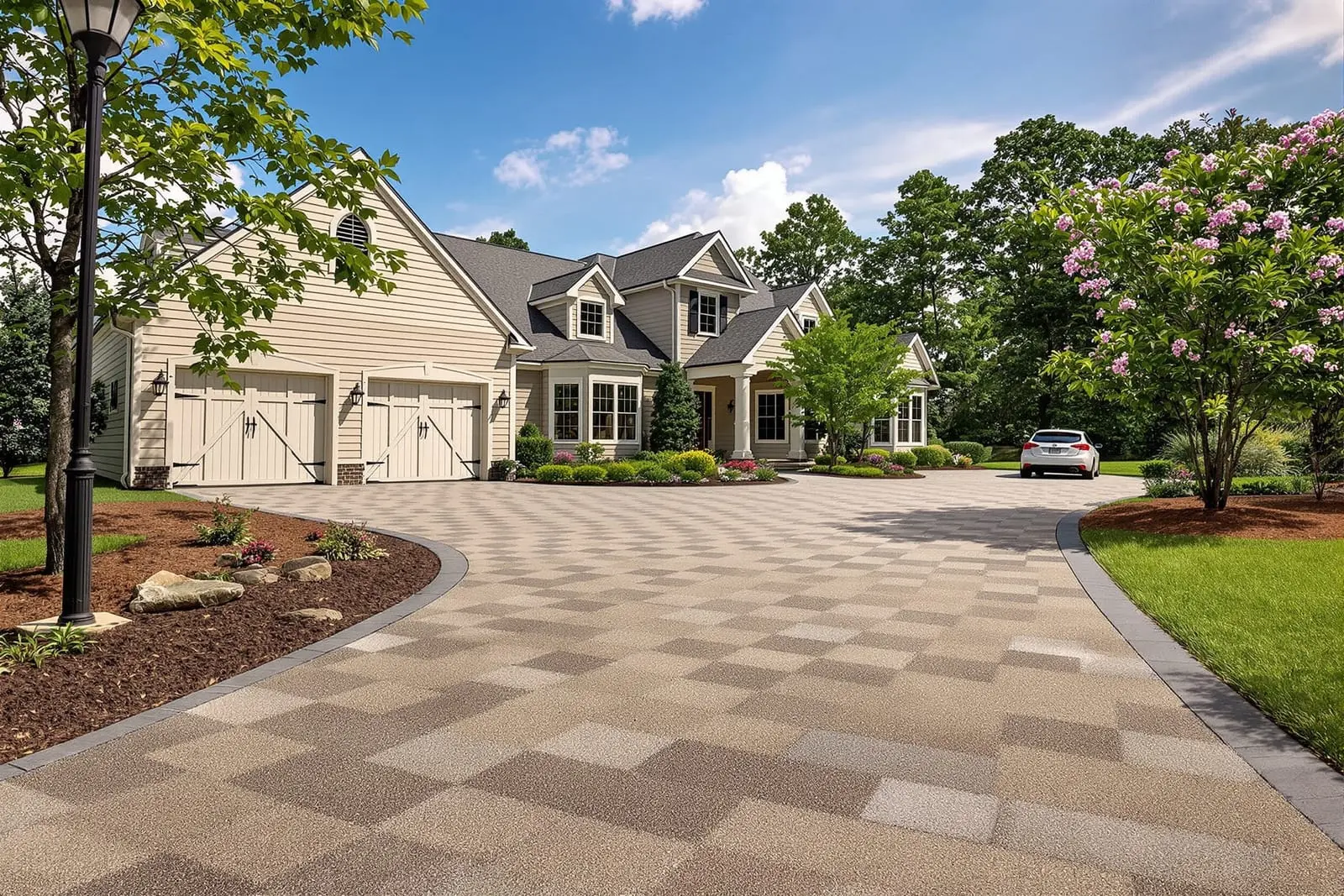
Prestige Asphalt Austin handles private road paving in Austin, TX for long driveways, shared lanes, and rural access roads. We design and build asphalt surfaces that support regular traffic while managing drainage and slope. Our crew prepares the base, installs asphalt to the right thickness, and compacts it for long term strength. Property owners and HOAs rely on us for clear plans, fair pricing, and roads that stay drivable in all seasons.
Prestige Asphalt Austin provides professional private road paving throughout Austin, TX and the surrounding area. Our licensed, insured crew delivers safe, clean, on-time work with a free estimate before anything begins. Call (737) 265-1348 or request your free quote.
Private Road Paving in Austin Built for Real Use, Not Just Curb Appeal
If you have a long driveway, shared lane, or ranch road, you already know that Austin heat, sudden storms, and heavy pickups can chew up a surface fast. Prestige Asphalt Austin focuses on private road paving that is built for actual traffic and weather in Central Texas, not just for a nice photo on day one.
When we look at a private road or lane, we start by asking how it is used. Is it mostly half-ton trucks and cars going to a home, or do you have regular deliveries, horse trailers, or oilfield and construction traffic. A residential lane with light traffic can often use a thinner asphalt section over a properly prepared base. A private ranch road that sees loaded dually trucks usually needs a thicker asphalt layer, stronger base, and better drainage plan.
We also look at your soil. In many Austin areas, you get hard limestone close to the surface, while other pockets, especially closer to creek beds, have expandable clay that swells when it rains and shrinks in the heat. The way we build the base for your private road changes a lot depending on which soil you have. That attention to the underlying ground is what keeps the surface from cracking and raveling a year or two after paving.
Our goal on every private road project is similar: safe driving, less dust and mud, and a surface that does not fall apart after the first heavy storm. We walk the entire route with you, talk through where people actually drive, where water collects, where gates and turnouts are, and then design the pavement to match real-world use instead of just drawing a straight line on a map.
How Prestige Asphalt Austin Actually Builds a Private Road or Lane
Most private road paving projects around Austin follow a clear sequence so you know what to expect.
1) Layout and grading: We mark the road edges, curves, and any widened passing points. Then we grade the path with a motor grader or skid steer to create a smooth, consistent slope. In West Austin and hill country properties, this often means cutting into slight slopes and building up low spots so the road rides smoothly instead of feeling like a roller coaster.
2) Drainage shaping: Before any rock goes down, we build in drainage. This can be a crown in the center of the road so water sheds to both sides, shallow ditches on one or both edges, or cross slopes toward an existing culvert. For longer ranch roads, we may add water bars or rolling dips that let water cross without washing out the surface. Austin storms can turn a poorly sloped lane into a creek, so this step is critical.
3) Base construction: We usually recommend compacted crushed limestone base, at a thickness that fits your use. For light residential traffic you might see 4 to 6 inches. For heavier trucks we might go to 8 inches or more. We install the base in layers, moisture condition it, then compact each lift with a roller until it is tight and stable. If we see soft pockets or organic material, we undercut and replace those spots so they do not turn into potholes later.
4) Asphalt paving: Once the base is approved, we apply a tack coat where needed to help the asphalt bond. Then we lay hot mix asphalt with a paver or, on narrow lanes, by carefully spreading and rolling. Typical private roads in our area get 2 to 3 inches of asphalt, compacted in one or two lifts depending on traffic. While the mix design is usually a standard TXDOT-style hot mix, we may adjust the aggregate size or lift thickness if you have frequent trailers or turning trucks.
5) Compaction and finishing: We use steel drum and pneumatic rollers to achieve the right density so the pavement is tight and smooth, not open and crumbly. Edges are compacted carefully so they do not unravel. Finally, we walk the road with you, discuss curing time, and go over best practices for driving on the new surface during the first few days.
Material Choices, Design Options, and What Fits Austin Properties
Private road paving is not one-size-fits-all, and a big part of our work at Prestige Asphalt Austin is helping you pick what truly suits your property.
Surface options: Most customers choose a traditional black asphalt surface for full durability and smoother driving. For certain long ranch lanes with budget constraints, we can discuss two-course surface treatments or chip seal over a solid base, which gives a more textured feel but can still perform well when built correctly. In some cases we even design a gravel-only section for low-use spurs and a paved main lane, to control cost without sacrificing access.
Road width and layout: For single-lane private roads, 10 to 12 feet is common. Shared drives or roads with frequent two-way traffic often work better at 14 to 16 feet, or with designated passing areas so two vehicles can safely get around each other. On curvy hill country drives we pay close attention to sight lines and widen on the outside of sharper curves so trailers do not drop wheels off the edge.
Edges and tie-ins: The way your private road ties into the public street in Austin matters. We typically build a thicker section at the entrance, where turning, braking, and acceleration are hardest on the pavement. If you have a concrete street or gutter, we design the asphalt to match grade and avoid a bump or lip. On rural properties, we may flare the entrance for easier trailer turning and better visibility from the county road.
Color and aesthetics: Asphalt itself is black, but the look of your lane is affected by the shape, straightness, and how well it matches the landscape. We often suggest gentle curves that follow the natural grade instead of forcing a straight line cut. On larger estates, customers sometimes ask us to create a defined shoulder with select gravel, or to prepare short paved turnouts for delivery trucks so they do not damage the edge of the main lane.
What Drives the Cost of Private Road Paving in Austin
We know most customers want to understand why one private road paving quote is higher or lower than another. There are several real factors that affect price in the Austin area.
Length and width: This one is basic, more square footage means more material and machine time. However, a slightly wider lane can actually save money long term if it reduces edge damage because vehicles are not constantly dropping off the side.
Soil and base requirements: If your property has firm limestone subgrade, we often need less base thickness and fewer repairs under the surface. If you are on softer clay, or an area that stays damp, we may need more excavation, geotextile fabric, or thicker base rock to get a stable foundation. That work is invisible once the asphalt is down, but it makes a big difference in longevity.
Access and terrain: Steep drives, tight gates, or low-hanging trees can slow production and require smaller machines or additional work to stage material. A straight, open lane is always more efficient to build than a narrow, twisting path with sharp elevation changes.
Traffic type and frequency: We ask specific questions about how often heavy vehicles use your private road. A few times a year with a loaded trailer is different from daily concrete truck or equipment traffic. Heavier and more frequent loads usually mean thicker asphalt and base, which costs more up front but prevents rutting and failure.
Existing conditions: Sometimes we can overlay an older asphalt or chip seal road and save the cost of full reconstruction. Other times, the existing surface is so cracked or pumped full of water that overlaying would just trap problems. In those cases we recommend milling or full-depth reclamation. We will always show you, on site, what we are seeing and why we are suggesting a particular approach.
Common Problems We See and How to Keep Your Private Road in Good Shape
Because we work across Austin and the surrounding hill country, we repeatedly see the same private road issues. Understanding them helps you avoid paying twice for the same road.
Inadequate drainage: Water that stands on the surface or runs straight down the lane is the number one enemy. It leads to ruts, base erosion, and potholes. When we design your private road, we aim to make water move off quickly with a crown or consistent cross slope, and we provide simple ditch or swale options instead of deep, hard-to-maintain channels.
Thin or poorly compacted base: Many failing private lanes were built with just a thin layer of rock spread over native soil, with very little compaction. It looks fine at first, then begins to wave and crack. When we repair or rebuild, we test the base by proof rolling it and watching for deflection. Soft zones get fixed before asphalt ever touches them.
Edge breakdown: On narrow roads, vehicles constantly run off the edge and the asphalt starts to crumble. We reduce this risk by recommending an appropriate width, compacting edges thoroughly, and sometimes adding a small rock shoulder so tires are supported if they drift slightly.
Simple maintenance: A well-built private road in Austin does not need constant attention, but a few habits help it last. Keeping ditches and culverts clear so water can drain, avoiding driving heavy trucks on the very outside edges, and addressing early cracks with sealant instead of waiting for potholes will all extend the life of the pavement. We are happy to walk an existing lane with you, point out early warning signs, and suggest a practical maintenance plan that matches your budget.
“
Professional private road and lane paving, done right the first time, quality materials, honest pricing, and results that last.
Prestige Asphalt Austin
Private Road and Lane Paving Across Our Service Area