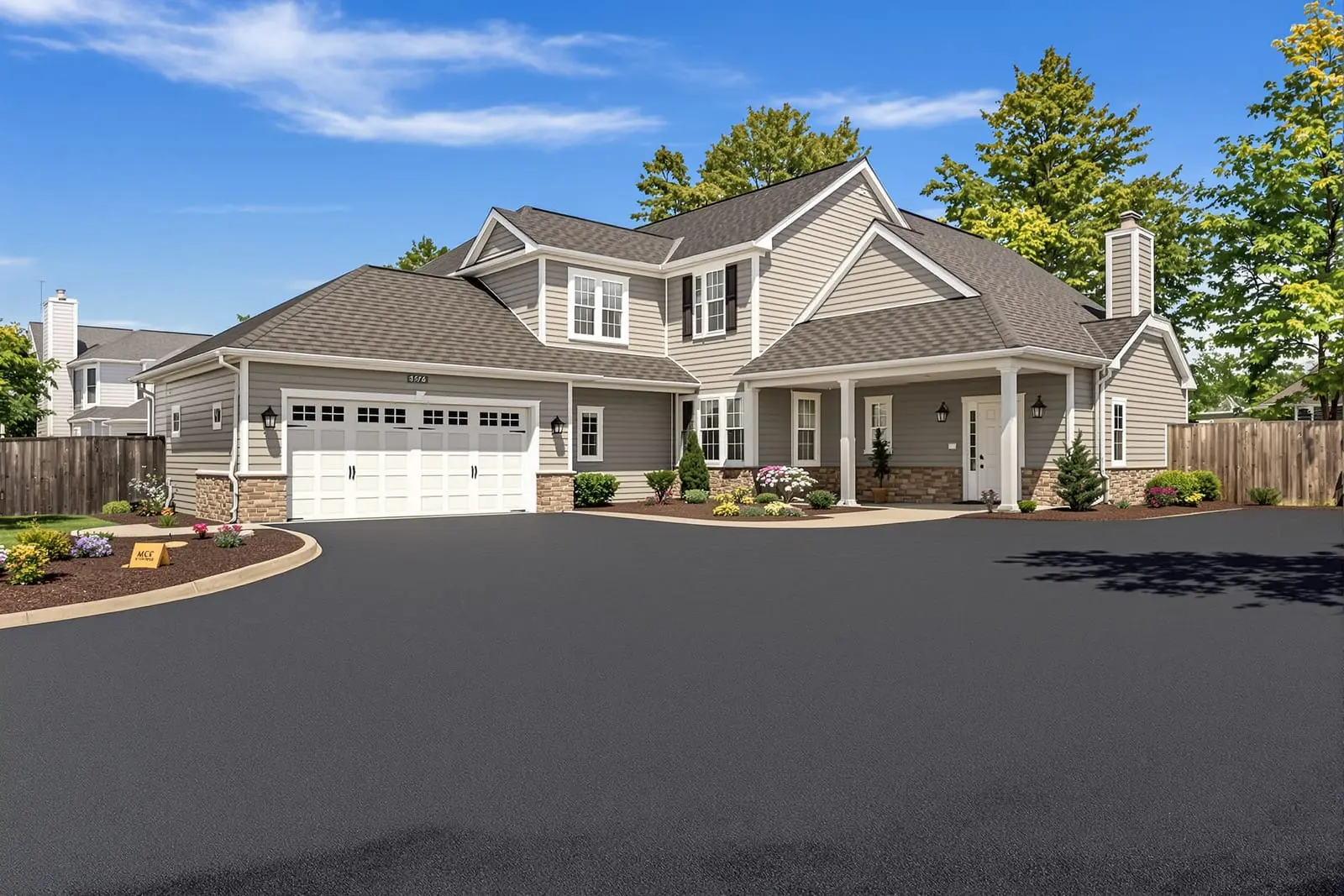
Prestige Asphalt Austin performs commercial gravel to asphalt conversions in Austin, TX for parking lots, sales yards, and drive lanes. We reshape and compact the existing stone, correct drainage, and install new asphalt to handle vehicle traffic. This upgrade reduces dust, mud, and maintenance while creating a more professional appearance for your business. Our team works with your schedule to minimize downtime during the conversion process.
Prestige Asphalt Austin provides professional commercial gravel to asphalt throughout Austin, TX and the surrounding area. Our licensed, insured crew delivers safe, clean, on-time work with a free estimate before anything begins. Call (737) 265-1348 or request your free quote.
Commercial gravel to asphalt conversions for Austin properties
If you run a commercial property in Central Texas, converting a loose gravel lot into asphalt is one of the most practical upgrades you can make. Prestige Asphalt Austin focuses on commercial gravel to asphalt conversions that solve daily problems like rutting, dust, poor drainage, and customer complaints about rough parking. Our crews handle projects for retail centers, warehouses, industrial yards, churches, medical offices, and multifamily parking.
A proper conversion is not just “paving over the rock.” It requires evaluating traffic loads, subgrade strength, drainage paths, and how the new asphalt will tie into buildings, loading docks, and street entrances. We walk the site with you, mark problem areas, and design a section that fits how your property really operates, including delivery truck paths, ADA access routes, and employee parking zones.
Because Austin shifts between long dry spells and sudden heavy storms, we plan your commercial gravel to asphalt project around those conditions. That means grading that moves water out to proper discharge points, base reinforcement in areas that stay damp, and asphalt mixes that handle heat and high traffic without raveling or rutting.
Our process for converting gravel lots to asphalt
Prestige Asphalt Austin follows a clear, step by step process so your conversion is predictable and you stay open as much as possible.
1. Site evaluation and planning. We measure the area, check gravel depth, probe the subgrade, and identify soft spots and drainage routes. We also look at entrance widths, fire lanes, dumpster pads, and any city requirements for your use type.
2. Grade and subgrade preparation. We strip loose or contaminated gravel where needed, regrade to establish a consistent slope, and compact the existing base with heavy rollers. In weak or low areas we may undercut, then rebuild with new base material so the asphalt has uniform support.
3. Base reinforcement. For high traffic lanes or where heavy trucks turn, we often add new crushed base over the existing gravel. On some commercial yards we install geogrid or geotextile between soil and base to control movement. This step is critical in Austin’s clay pockets that swell when wet.
4. Compaction and proof rolling. Before any asphalt is placed, we compact the base to specification and run loaded trucks across it. If the surface deflects or pumps, we correct the area now instead of letting it become a long term failure point.
5. Asphalt placement. For most commercial gravel to asphalt conversions we recommend a multi lift approach. This might be a 2 inch binder course followed by a 1.5 inch surface course for car dominated lots, or thicker sections for truck traffic. We machine place and roll each lift so you get a dense, smooth mat.
6. Striping and finishing touches. We layout and paint parking stalls, ADA spaces, fire lanes, arrows, and stop bars. If needed we install wheel stops and bollards, and coordinate signage so the lot is ready for customers when we pull off the site.
Design options for different commercial uses
Not every commercial gravel to asphalt project in Austin should be built the same way. Prestige Asphalt Austin looks at how your space is used, then adjusts pavement thickness, mix type, and layout.
Retail and office parking. For shopping centers and office parks, we usually design for frequent car traffic with occasional delivery trucks. A typical section might use a well compacted base with 3.5 to 4 inches of hot mix asphalt, plus clearly marked pedestrian walkways and ADA compliant slopes near entrances.
Industrial and warehouse yards. Where 18 wheelers or heavy equipment operate, we may recommend thicker asphalt or a strengthened base. That can mean 6 or more inches of asphalt or an engineered base and geogrid in known problem soils. We also pay special attention to turning radii, loading dock approaches, and trailer storage lanes.
Multifamily and mixed use. Apartment and mixed use properties often need tighter circulation and clear separation between resident and visitor parking. We include speed control measures such as speed humps where appropriate and striping that supports assigned parking and fire lane access. Lighting pole bases and dumpster pads are integrated so cuts into the new asphalt are minimized.
If your property has specific needs, such as frequent delivery box trucks, drive thru lanes, or ambulance access at medical offices, we size and reinforce those paths accordingly instead of treating the whole site as one uniform section.
What affects cost on a gravel to asphalt conversion
Property owners often ask why two similar sized gravel lots in Austin can have very different pricing. The underlying conditions and operating needs drive commercial gravel to asphalt costs more than the square footage.
Existing base quality. If your gravel lot has been compacted by years of traffic and does not hold water, we can often reuse much of that base, which reduces cost. If the lot has deep ruts, standing water, or mixed soil and rock, more undercutting, base replacement, or stabilization will be needed.
Drainage requirements. Sites that sit lower than surrounding properties or back up to creeks or greenbelts may require more extensive grading, swales, or additional inlets to keep water off the pavement. Redirecting or managing runoff properly up front is less expensive than repairing water damage later.
Traffic type and volume. Light retail car traffic can use thinner asphalt than a distribution yard. If your property sees a lot of heavy trucks or concentrated forklift use, we will recommend thicker sections or structural base improvements, which impacts cost but prevents premature failure.
Access and phasing. Active businesses that require night or weekend work, phased sections to keep operations open, or tight access for equipment can see higher labor costs. Prestige Asphalt Austin plans phasing with you so we minimize downtime while still completing the work efficiently.
Permits and city requirements. Some Austin projects trigger site plan reviews, drainage studies, or fire lane upgrades. We help you understand which requirements apply and coordinate with your design team or engineer so there are no surprises once work begins.
Common issues with gravel lots and how conversion solves them
Owners usually decide to move from gravel to asphalt because the gravel lot is adding hidden costs. Prestige Asphalt Austin sees the same patterns across Central Texas, and a properly built commercial gravel to asphalt project eliminates most of them.
Dust and tracking. Gravel lots create fine dust in the dry season that ends up on vehicles, inside buildings, and in HVAC systems. When it rains, the same material becomes mud that is tracked into offices and stores. A dense asphalt surface with proper sweeping reduces dust and keeps interiors cleaner.
Ruts, potholes, and trip hazards. Heavy vehicles create ruts in gravel that need constant blade work. Pedestrians deal with uneven walking surfaces and loose rock at curbs. New asphalt provides a smooth, uniform surface that can be striped for safe walk paths and ADA access.
Drainage and washouts. Many gravel lots lose material every time it rains, especially on slopes leading to street entrances. With asphalt, water sheds over the surface into planned drainage paths instead of cutting channels through your parking and drive lanes.
Perception and compliance. Customers and tenants read a paved, striped parking lot as a sign that a property is well maintained. Asphalt also makes it easier to meet ADA parking, fire lane marking, and emergency access requirements. This can be important for lenders, insurers, and code enforcement during inspections.
What Austin property owners should know before hiring
Converting a gravel lot to asphalt is a long term investment, so choosing a contractor familiar with Austin conditions matters. Prestige Asphalt Austin works almost exclusively in Central Texas, which means we understand local soils, city standards, and how traffic and weather stress commercial pavements here.
Before you hire anyone for a commercial gravel to asphalt project, ask for a written scope that specifies base thickness, asphalt thickness, number of lifts, and compaction standards. If a proposal only lists a total price without those details, it is difficult to compare and easy for corners to be cut in the field.
Ask how soft areas and drainage are handled. A contractor should be able to explain how they will identify weak soils, what triggers undercut and replacement, and how they will establish and verify slopes to drains or edges. Proof rolling, density testing, and visual checks should be part of the discussion.
Clarify scheduling and business impact. A good plan will show which areas will be closed on which days, when you can drive on the new asphalt, and how emergency or delivery access will be maintained. We coordinate with your management team so communication to tenants, staff, and customers is simple.
You should also understand maintenance expectations. New asphalt will eventually need sealcoating and periodic crack sealing to maximize life. For most commercial gravel to asphalt conversions in Austin, we recommend a first inspection and maintenance plan within 2 to 3 years, then adjustments based on how the pavement is actually wearing.
If you want straight answers on what your specific lot needs, Prestige Asphalt Austin offers on site evaluations that include measurements, photos, and a clear, written scope so you know exactly what you are paying for.
“
Professional commercial gravel-to-asphalt conversions, done right the first time, quality materials, honest pricing, and results that last.
Prestige Asphalt Austin
Commercial Gravel-to-Asphalt Conversions Across Our Service Area