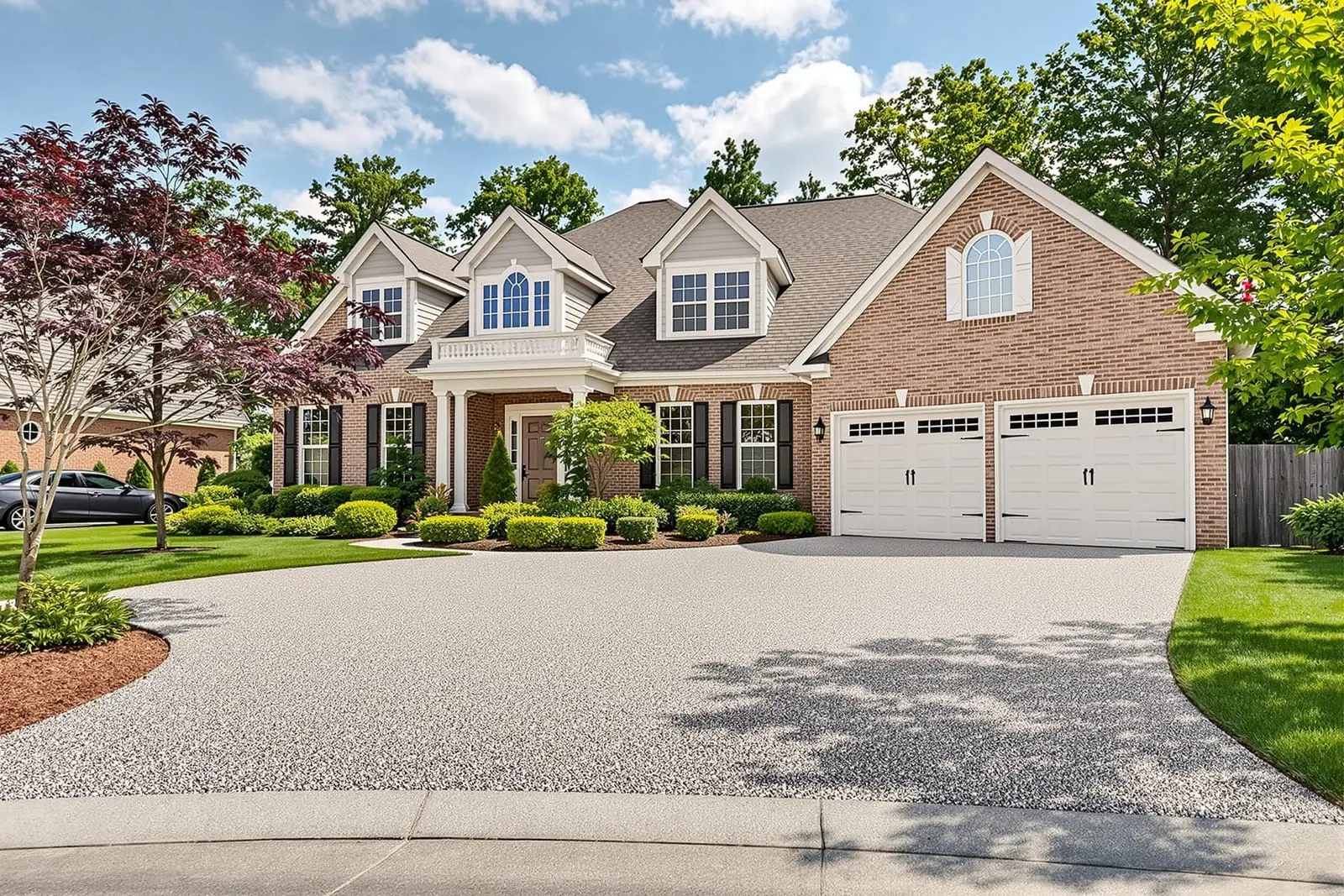
Prestige Asphalt Austin provides gravel to asphalt conversion in Austin, TX to eliminate dust, mud, and ruts on residential driveways. We regrade the existing gravel, improve the base as needed, and install compacted asphalt for a clean driving surface. This upgrade improves curb appeal and makes daily use easier in all weather. Our team walks you through thickness options, drainage considerations, and costs so you can make an informed decision.
Prestige Asphalt Austin provides professional gravel to asphalt conversion throughout Austin, TX and the surrounding area. Our licensed, insured crew delivers safe, clean, on-time work with a free estimate before anything begins. Call (737) 265-1348 or request your free quote.
Gravel-to-Asphalt Conversion for Austin Properties
If you are tired of tracking gravel into the house or fighting washouts every time it rains, a gravel to asphalt conversion can be a smart upgrade for your Austin property. Prestige Asphalt Austin helps homeowners, small businesses, and rural property owners turn dusty or muddy gravel drives into clean, durable asphalt surfaces that are easier to maintain in our Central Texas climate.
In Austin we see a mix of older ranch-style homes from the 70s and 80s, newer infill builds in neighborhoods like South Austin, and small acreage properties on the outskirts. Many of these started with gravel drives as a low-cost option. Over time, traffic, tree growth, and stormwater have usually left those drives uneven and rutted. Our goal is to convert what you already have into a stable asphalt surface that fits your property layout, from tight city lots to long hill country access roads.
We take a consultative approach. Before talking materials or pricing, we walk the entire gravel area, look at existing drainage patterns, and ask how you actually use the space (for example frequent trailer backing, RV parking, delivery trucks, or just daily cars and pickups). That information shapes the thickness of the asphalt, the base preparation, and the edge support so you get a driveway or parking area that actually works for how you live and work in Austin.
How the Gravel-to-Asphalt Conversion Process Works
A successful gravel to asphalt conversion is more than just paving over the stone. Prestige Asphalt Austin follows a step-by-step process so the new surface holds up under Austin traffic and weather.
1. Site evaluation and measurements: We verify property lines, check city or HOA requirements if they apply, and locate utilities. On sloped lots, common in West and Northwest Austin, we pay special attention to where water wants to flow so the new asphalt does not create pooling near garages or foundations.
2. Grading and reshaping: Existing gravel is not automatically a good base. We regrade the area to create a consistent slope, usually a 1 to 2 percent fall away from structures. High spots are cut down, low spots are filled, and we compact in layers with heavy rollers to reach the density needed for asphalt support.
3. Base repair or enhancement: If the existing gravel is too thin, too dirty, or mixed with clay (very common in Central Texas), we add a crushed limestone or road base layer. This is spread, moisture-conditioned, and compacted. In soft areas or where we see evidence of past rutting, we may dig out and rebuild deeper to avoid future sinking.
4. Edge planning: At this stage we confirm how the asphalt will meet grass, landscaping, or concrete. Edges can be left flush to tie into a street, slightly raised to shed water into a ditch, or matched to existing patios or garage slabs to avoid trip edges and puddles.
5. Asphalt installation: We typically use hot-mix asphalt placed with a paver for residential and light commercial projects. Thickness is set based on use, often 2.5 to 3 inches compacted for standard home driveways and 3 to 4 inches where heavier vehicles will sit or turn. The mix is spread while hot, then compacted with steel and pneumatic rollers to lock the surface together.
6. Final rolling and cleanup: Joints with existing concrete, sidewalks, or streets are carefully rolled and, if needed, sealed. We remove excess gravel, sweep the apron areas, and leave your access usable as soon as the asphalt cools, usually the same day.
Design Choices for Your New Asphalt Surface
A gravel to asphalt conversion is also an opportunity to rethink layout and appearance. Prestige Asphalt Austin can keep your exact gravel footprint or improve it for better function and curb appeal.
Width and layout: In older Austin neighborhoods, many gravel drives are too narrow for modern vehicles, especially trucks and SUVs. During conversion we can widen the drive in key spots, add a turn-around pad so you do not have to back into busy streets, or create a defined parking area beside the house or shop.
Thickness and structure: Not every property needs the same pavement structure. Light-use driveways for one or two cars can often use a standard residential section. If you regularly park work trucks, boat trailers, or an RV, we can increase base depth and asphalt thickness only in those load areas, which is more cost effective than overbuilding the entire drive.
Surface look and edges: Standard black asphalt is the most common, but there are options that change the feel without adding a lot of cost. We can install clean, straight machine edges for a formal look or slightly rounded edges that blend into rural properties. Concrete or stone borders can be added later if you want extra definition. Striping for small commercial lots or shared drives is also available.
Drainage features: On sloped or low-lying Austin lots, we sometimes add shallow swales, berms, or small inlet drains as part of the design. Solving minor drainage issues at the conversion stage is usually cheaper than trying to fix erosion after the asphalt is down.
What Drives the Cost of a Gravel-to-Asphalt Conversion in Austin
Customers often ask why one gravel to asphalt conversion quote is higher than another. The total cost reflects not only square footage but also what it takes to build a long-lasting pavement on your specific soil and slope.
Base condition: If your current gravel is deep, clean, and already well compacted, we may only need minor grading and compaction before paving. If the gravel is thin over expansive clay, full of organic material, or shows deep ruts and standing water, we will plan for more base repair. That extra work increases cost up front, but it is what prevents premature cracking and failure.
Access and layout: Tight alleys or steep, winding drives, common in some older central Austin areas and hill country edges, can require more hand work or smaller equipment. That slows production and can add to labor costs compared to a wide, straight suburban driveway.
Thickness and use: A light residential section uses less asphalt than a driveway that sees frequent heavy trucks or trailers. We design to your use so you are not underbuilt and at risk of early damage. When we present options, we explain what will happen if a thinner section is chosen so you can decide knowingly.
Drainage and extras: Rebuilding ditches, adding drainage structures, or tying into the city street can affect pricing. We also discuss sealcoating schedules, which are optional but recommended a couple of years after the conversion to extend life in our hot sun.
Common Problems With Gravel Drives and How Conversion Solves Them
Most gravel drive issues in Austin come down to dust, mud, washouts, and constant raking. A well planned gravel to asphalt conversion can solve these, but only if the underlying causes are addressed.
Dust and tracking: In dry months, gravel surfaces generate dust that can coat vehicles and blow into garages and front doors. Asphalt eliminates loose material at the surface so there is far less dust and debris tracking into your home. We also adjust slopes to keep runoff away from entry points.
Ruts and washouts: Central Texas storms can dump heavy rain in a short time. On gravel, water follows the easiest path and digs ruts that get worse each storm. Before we pave, Prestige Asphalt Austin shapes the base and ensures there is a controlled path for water, either across the surface or alongside it. That way, the new asphalt does not become a channel for erosion.
Soft spots and sinking: Areas where vehicles regularly turn or park, such as in front of garages or gates, often develop soft spots in gravel. During conversion we look for those patterns and reinforce those zones with thicker base or asphalt so they do not become future problem areas.
Loose edges: Gravel tends to migrate into lawns and beds. Asphalt creates a clean, defined edge. Where there is a concern for crumbling or edge breakdown, such as where big trucks might drop a wheel, we can widen and thicken the edge strip or recommend a concrete or rock border for extra support.
What Austin Property Owners Should Know Before Converting Gravel to Asphalt
Before you commit to a gravel to asphalt conversion, it helps to understand a few practical points specific to Austin.
Permits and HOAs: In many Austin neighborhoods, especially within city limits or in planned communities, driveway improvements may need to follow drainage rules, impervious cover limits, or HOA appearance guidelines. Prestige Asphalt Austin can help you understand when a permit or HOA approval may be required and can provide site diagrams or material specs if needed.
Timing and weather: Our hot summers work in our favor because asphalt compacts and bonds best in warm weather. However, extremely high temperatures can affect scheduling during the hottest part of the day. Light rain can sometimes be worked around, but steady rain or saturated ground will delay work because proper compaction is not possible.
Use and curing: You can usually walk on new asphalt shortly after installation and drive on it within 24 hours, depending on thickness and weather. For the first few weeks, we suggest avoiding tight turning of heavy vehicles in place and parking in the same spot for long periods in the hottest part of the day, just to protect the surface while it finishes curing.
Future maintenance: Although asphalt is much easier to live with than gravel, it is not maintenance free. Plan on periodic crack sealing, quick repair of any oil or fuel spills, and a sealcoat every few years if you want to maximize surface life. We can outline a basic maintenance plan that matches how heavily you use your driveway.
Why Partner With Prestige Asphalt Austin for Your Conversion
Converting gravel to asphalt is a long-term investment in your property. Choosing a contractor familiar with Austin soils, slopes, and neighborhood patterns matters as much as the materials.
Prestige Asphalt Austin focuses on preparation first, not shortcuts. Our crews live and work in the Austin area, so we routinely deal with the expansive clays in places like Pflugerville and Manor, the rockier soils toward Dripping Springs, and the tight urban lots near downtown and South Congress. This local experience lets us anticipate where a simple overlay might fail and when a more thorough rebuild is worth the cost.
We provide clear, written scopes that describe base work, asphalt thickness, drainage adjustments, and any tie-ins or transitions. During your consultation, we encourage questions about each step of the gravel to asphalt conversion and explain what you can expect on installation day, from equipment on site to temporary parking arrangements.
If you want to explore what a gravel to asphalt conversion could look like on your property, we can schedule an on-site review, take measurements, and give you options that respect both your budget and how you actually use your driveway or parking area.
“
Professional gravel-to-asphalt conversions, done right the first time, quality materials, honest pricing, and results that last.
Prestige Asphalt Austin
Gravel-to-Asphalt Conversions Across Our Service Area